Drywall is one of the most important components of a well-finished interior. It creates smooth walls, defines rooms, supports insulation, and provides a clean surface for paint, texture, and decorative finishes. When drywall is damaged, poorly installed, or unevenly finished, it can affect the appearance and functionality of the entire property.
Property owners searching for professional drywall Houston TX services need a contractor who understands proper installation, repair techniques, finishing standards, and the challenges that can affect homes and commercial spaces in the Houston area. Ceiling Crafters provides dependable drywall solutions designed to improve interior surfaces and create polished, long-lasting results.
Why Quality Drywall Work Matters
Drywall may appear simple, but achieving a smooth and consistent finish requires experience, precision, and the correct materials. Poor installation can result in visible seams, uneven corners, cracks, nail pops, bubbling tape, and rough textures. These problems become even more noticeable after the walls are painted.
Professional drywall work helps ensure that panels are properly measured, securely installed, carefully taped, and evenly finished. A well-completed drywall project creates a strong foundation for the rest of the interior design.
Quality drywall services can also help property owners:
- Improve the appearance of rooms
- Repair visible wall and ceiling damage
- Prepare surfaces for painting
- Replace deteriorated drywall
- Create new rooms or interior partitions
- Restore areas affected by leaks or renovations
- Match existing wall or ceiling textures
- Increase the overall appeal of the property
Whether the project involves a small patch or a larger interior renovation, professional workmanship can make a noticeable difference.
Drywall Installation for New and Existing Spaces
Drywall installation is commonly required during new construction, room additions, remodeling projects, garage conversions, office buildouts, and interior redesigns. The process involves more than attaching drywall panels to framing.
Each sheet must be properly measured and cut to fit around outlets, windows, doors, lighting fixtures, plumbing connections, and architectural features. The panels must also be securely fastened while maintaining proper alignment.
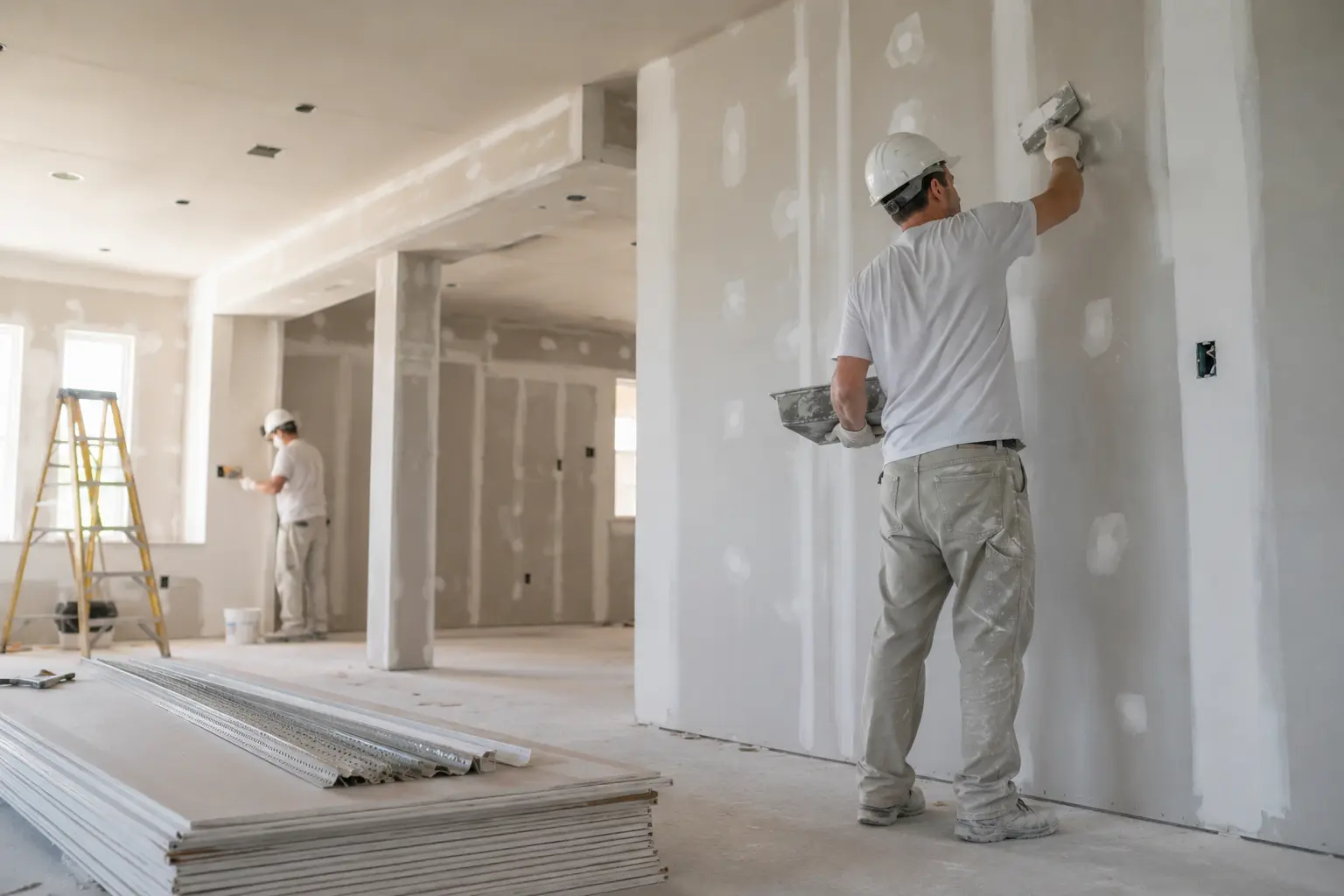
After installation, the joints between the panels are covered with tape and joint compound. Multiple layers of compound may be required to create a smooth transition between each sheet. Once the surface is dry, it must be sanded and prepared for primer, paint, or texture.
Ceiling Crafters approaches drywall installation with close attention to surface preparation, panel placement, joint finishing, and final appearance. Careful installation helps reduce visible imperfections and supports a cleaner finished interior.
Common Drywall Problems in Houston Properties
Drywall can become damaged for many reasons. Some problems develop gradually, while others happen suddenly due to accidents, renovations, or moisture.
Common drywall issues include:
Cracks
Cracks may appear around doors, windows, ceilings, or wall joints. Small cracks can result from normal settling, while larger or recurring cracks may require further evaluation before repairs are completed.
Holes and Impact Damage
Furniture, door handles, tools, moving equipment, and everyday accidents can create dents or holes in drywall. The appropriate repair method depends on the size and location of the damage.
Water Damage
Roof leaks, plumbing problems, air-conditioning issues, and moisture intrusion can stain or weaken drywall. Damaged sections may need to be removed and replaced after the moisture source has been corrected.
Nail Pops
Fasteners can sometimes push through the surface and create small raised circles. Nail pops may be caused by movement in the framing, improper fastening, or changes in building materials.
Loose or Bubbling Tape
Drywall tape can become visible when it separates from the joint compound. This may result from poor installation, moisture, or insufficient compound coverage.
Uneven Texture
Previous repairs may leave behind patches that do not match the surrounding texture. Professional finishing can help blend repaired areas with the existing wall or ceiling surface.
Professional Drywall Repair
Drywall repair requires the correct technique for the type and extent of damage. Covering a crack or hole with compound without preparing the area properly can lead to visible marks or recurring problems.
A professional repair process may include removing loose material, cutting away damaged drywall, installing a backing support, fitting a replacement section, applying tape, adding joint compound, sanding, and matching the existing texture.
For water-damaged drywall, the underlying leak or moisture issue should be resolved before the surface is restored. Repairing the visible damage without correcting the source can allow staining, deterioration, or other concerns to return.
Property owners choosing drywall Houston TX services should look for detailed surface preparation and careful finishing rather than temporary cosmetic patches.
Drywall Finishing and Surface Preparation
The finishing stage plays a major role in how the walls will look after painting. Even securely installed drywall can appear unprofessional when the joints, corners, and fasteners are not finished correctly.
Drywall finishing typically includes:
- Applying tape to panel joints
- Covering the tape with joint compound
- Filling fastener holes
- Finishing inside and outside corners
- Applying additional compound coats
- Sanding the surface
- Inspecting for ridges, dents, or visible seams
- Preparing the drywall for primer or texture
Lighting conditions can expose imperfections that may not be visible during the early stages of the project. Smooth finishes and areas with natural light often require especially careful sanding and inspection.
Ceiling Crafters focuses on creating consistent surfaces that are ready for the next stage of the interior improvement process.
Wall and Ceiling Texture Matching
Many Houston properties feature textured walls or ceilings. When a damaged area is repaired, the new section must be blended with the surrounding finish to avoid a noticeable patch.
Texture matching may involve reproducing finishes such as:
- Orange peel
- Knockdown
- Smooth finish
- Skip trowel
- Custom hand-applied texture
An exact match can be challenging because older textures may have been painted several times or applied with different tools. A professional contractor evaluates the existing pattern, density, and thickness before applying texture to the repaired area.
Proper blending helps the repair look more consistent with the rest of the room.
Drywall Services for Residential Properties
Homeowners may require drywall services during kitchen renovations, bathroom upgrades, room additions, ceiling repairs, electrical work, plumbing repairs, or general interior improvements.
Residential drywall work can include:
- Repairing holes and dents
- Replacing water-damaged sections
- Installing drywall in remodeled rooms
- Repairing ceiling cracks
- Closing openings after plumbing or electrical work
- Creating new walls
- Updating outdated textures
- Preparing surfaces for repainting
A clean drywall finish can refresh bedrooms, living rooms, hallways, kitchens, home offices, and other interior areas.
Commercial Drywall Applications
Commercial properties also depend on durable, professional drywall installation and repair. Offices, retail spaces, restaurants, medical facilities, and other businesses may need drywall services during tenant improvements, renovations, expansions, or maintenance projects.
Commercial drywall work may involve interior partitions, wall repairs, ceiling restoration, surface preparation, and texture matching. Scheduling, site cleanliness, and coordination with other trades are important considerations in commercial environments.
Professional drywall services help businesses maintain clean, functional, and presentable interiors for employees, customers, and visitors.
Signs That Drywall May Need Replacement
Not every damaged surface can be repaired with a small patch. Replacement may be more appropriate when the drywall has extensive moisture damage, severe deterioration, large holes, repeated cracking, or widespread surface failure.
Signs that replacement may be necessary include:
- Soft or crumbling drywall
- Large water stains
- Sagging ceiling panels
- Extensive mold-related damage
- Multiple unsuccessful repairs
- Large missing sections
- Severely uneven surfaces
- Damage affecting the structural support behind the wall
A professional assessment can help determine whether repair or replacement is the more practical solution.
Choosing the Right Drywall Contractor
Before selecting a drywall contractor, property owners should consider the quality of the preparation, workmanship, and finishing process. A low-cost repair may become more expensive if cracks return or the patch remains visible after painting.
A dependable drywall contractor should:
- Evaluate the damage carefully
- Explain the recommended repair method
- Protect nearby floors and furnishings
- Use appropriate materials
- Create smooth joints and corners
- Match existing textures when possible
- Maintain a clean work area
- Prepare the surface for painting
Ceiling Crafters provides drywall services for property owners who want clean, professional interior results without relying on rushed or incomplete repairs.
Improve Your Interior with Professional Drywall Services
Well-installed drywall creates a smooth, attractive foundation for paint, décor, lighting, and architectural details. Professional repair can also restore walls and ceilings affected by holes, cracks, leaks, renovations, or everyday wear.
Choosing experienced drywall Houston TX professionals helps ensure that damaged areas are properly prepared, repaired, finished, and blended with the surrounding surfaces.
From small wall patches to larger drywall installation projects, Ceiling Crafters works to create clean, functional, and visually consistent interiors for residential and commercial properties.