
Noise can significantly affect how comfortable, productive, and enjoyable an indoor space feels. Whether it comes from conversations, televisions, office equipment, footsteps, mechanical systems, or activity in nearby rooms, unwanted sound can make a home or commercial property feel disruptive. One effective way to improve interior acoustics while maintaining a clean, finished appearance is to install acoustic drywall ceilings Pasadena property owners can rely on.
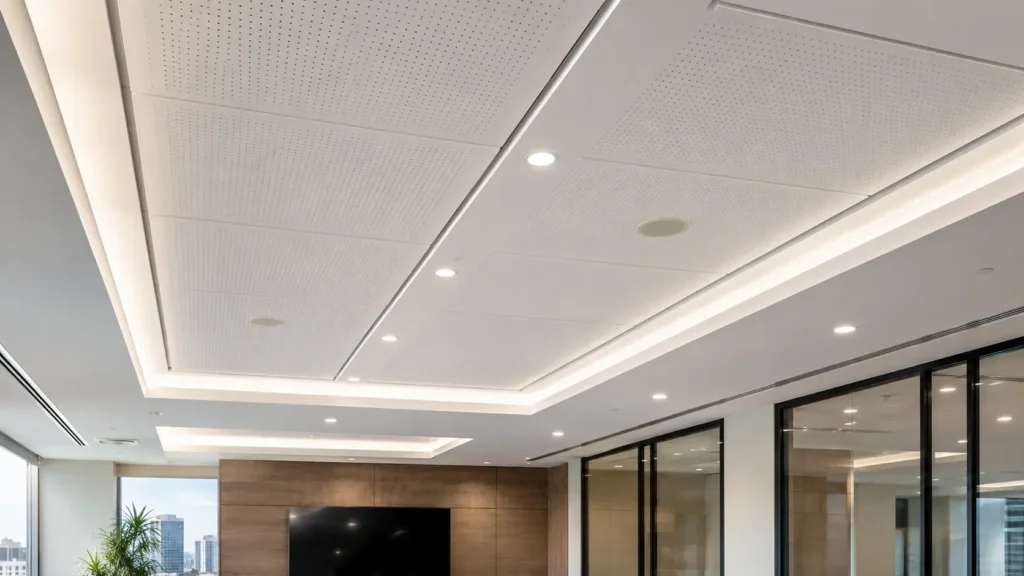
Acoustic drywall ceilings combine sound-control materials with the smooth appearance of traditional drywall. They can be used in residential, commercial, institutional, and mixed-use spaces where controlling noise is an important part of the design. Ceiling Crafters provides ceiling solutions designed to support comfort, appearance, and long-term performance.
What is an Acoustic Drywall Ceiling?
An acoustic drywall ceiling is a finished ceiling system designed to reduce sound transmission, absorb unwanted noise, or control reverberation within a room. Although it can look similar to a conventional drywall ceiling, the system may include additional components such as sound-dampening drywall panels, insulation, resilient channels, acoustic clips, sealants, or suspended framing.
The exact construction depends on the type of noise being addressed and the requirements of the property. Some systems are designed primarily to prevent sound from travelling between floors or rooms. Others focus on reducing echoes within a large interior space. In many projects, both goals must be considered.
Unlike exposed acoustic tiles, drywall ceiling systems provide a seamless and modern surface. They can be painted, integrated with lighting, and designed to complement many interior styles.
Why Interior Noise Control Matters
Sound problems are not limited to extremely loud environments. Even moderate levels of recurring noise can affect concentration, privacy, relaxation, and communication. In residential spaces, noise from an upper floor, entertainment room, hallway, or neighbouring unit can interfere with sleep and daily activities.
In commercial buildings, poor acoustics may make it difficult for employees to focus or hold private conversations. Restaurants, medical offices, schools, studios, retail spaces, and conference rooms may also experience excessive reverberation when sound reflects from hard surfaces.
A properly designed ceiling can help create a quieter and more balanced environment. It may reduce disruptions, improve speech clarity, and make the room feel more comfortable without requiring visible acoustic panels across the walls.
Common Applications for Acoustic Drywall Ceilings
Acoustic drywall ceilings can be installed in many types of interior spaces. In homes, they are often used in bedrooms, home offices, media rooms, basements, nurseries, and rooms located below active upper floors. They can also be useful in multifamily buildings where residents want greater separation between neighbouring units.
Commercial applications may include offices, conference rooms, reception areas, clinics, classrooms, restaurants, hospitality spaces, retail properties, and professional studios. Each application has different acoustic requirements, so the ceiling system should be selected according to the room’s use.
For example, a conference room may need improved speech privacy, while a restaurant may need better sound absorption to reduce echo. A home theatre may require both sound containment and enhanced interior sound quality.
Sound Absorption and Sound Isolation
Sound absorption and sound isolation are related, but they are not the same.
Sound absorption controls how sound behaves within a room. Materials designed for absorption reduce echoes and reverberation by limiting how much sound reflects off interior surfaces. This can improve speech intelligibility and create a calmer atmosphere.
Sound isolation reduces the amount of noise that passes from one room or floor to another. This usually requires a combination of added mass, separation between framing components, insulation, and proper sealing.
An effective ceiling project begins by identifying the actual noise concern. Installing absorbent material may reduce echo but may not prevent footsteps from being heard below. Similarly, adding heavy drywall may reduce sound transmission but may not solve excessive reverberation within a large room.
Key Components of an Acoustic Ceiling System
The performance of an acoustic drywall ceiling depends on the entire assembly rather than a single product. One commonly used component is acoustic drywall, which is manufactured with layers or materials intended to dampen sound vibrations.
Insulation may be placed between ceiling joists to help reduce airborne noise travelling through cavities. Resilient channels or acoustic clips can separate the finished drywall from the structural framing. This separation helps reduce the direct transfer of vibrations.
Acoustic sealant is another important element. Small gaps around walls, electrical boxes, ducts, fixtures, and penetrations can allow sound to pass through. Carefully sealing these areas helps support the overall performance of the system.
Depending on the project, the ceiling may include multiple drywall layers to increase mass. The framing arrangement, fastener placement, lighting design, and mechanical penetrations must also be considered.
Benefits of Acoustic Drywall Ceilings
One of the main advantages of an acoustic drywall ceiling is its clean appearance. Once installed and finished, it can resemble a standard smooth ceiling while providing additional noise-control benefits.
These ceilings can also support design flexibility. Property owners can select paint colours, lighting configurations, recessed fixtures, mouldings, and other finishing details. The system can be adapted to both contemporary and traditional interiors.
Another benefit is improved privacy. In offices, clinics, bedrooms, and multifamily properties, reducing sound transmission can help keep conversations and everyday activities from carrying into adjacent spaces.
Acoustic ceilings may also make rooms more functional. A quieter home office can support concentration, while a well-controlled media room can provide a better entertainment experience. In commercial spaces, improved acoustics can help customers and employees communicate more comfortably.
The Importance of Professional Planning
Acoustic ceiling installation requires more than attaching specialised drywall to existing framing. The ceiling must be planned as a complete sound-control assembly. Factors such as ceiling height, existing construction, joist direction, room dimensions, mechanical systems, lighting, and the source of the noise can influence the design.
A professional assessment can help determine whether the primary concern is airborne noise, impact noise, vibration, echo, or a combination of issues. This information helps guide the selection of materials and installation methods.
Poorly installed components can reduce acoustic performance. For example, incorrectly secured resilient channels may create direct vibration paths. Gaps around ceiling penetrations can also compromise an otherwise effective assembly.
Ceiling Crafters evaluates the space and recommends a ceiling approach based on the property’s layout, intended use, and finishing goals.
Acoustic Ceilings for Residential Properties
Residential noise concerns can vary considerably. In a two-storey home, activity from upstairs bedrooms or hallways may be noticeable in rooms below. In a basement, sound from televisions, gaming systems, or exercise equipment may travel into the main living area.
Homeowners may also want acoustic improvements in shared walls and ceilings between attached properties. A carefully constructed ceiling can help reduce the transfer of voices, music, and everyday household sounds.
Installing acoustic drywall ceilings Pasadena homeowners can use in bedrooms, home offices, and entertainment spaces may improve both comfort and privacy. The ceiling can be finished to blend with the existing interior, helping property owners address sound concerns without sacrificing visual appeal.
Acoustic Ceilings for Commercial Spaces
Commercial properties often require acoustic control to support productivity, customer comfort, and confidentiality. Open offices may experience sound travelling between work areas, while private offices and consultation rooms may require better speech separation.
Restaurants and cafés can become uncomfortable when voices, music, and kitchen noise reflect from hard ceilings and floors. Educational spaces may need better speech clarity so instructors and students can communicate effectively.
An acoustic drywall ceiling can provide a polished appearance while supporting the room’s functional requirements. It may also be incorporated into renovation projects where existing ceiling tiles no longer match the desired design.
Installation and Finishing Considerations
Before installation begins, the existing ceiling structure should be inspected. Any moisture damage, loose framing, electrical issues, or ventilation concerns should be addressed first. The selected system must also account for ceiling-mounted fixtures, access points, sprinklers, and mechanical equipment.
During installation, acoustic materials must be positioned correctly and penetrations should be sealed carefully. Drywall joints are then taped, finished, sanded, and prepared for painting.
The final result should provide a smooth, consistent appearance. Proper finishing is especially important because ceiling surfaces are highly visible under natural and artificial lighting.
Choosing the Right Ceiling Solution
Not every room requires the same level of acoustic treatment. A small bedroom beneath a quiet space may need a different assembly from a commercial studio or busy office. Budget, ceiling height, construction type, and performance expectations should all be considered.
Property owners should also think about future access to wiring, plumbing, or mechanical systems. In some cases, a fully finished drywall ceiling is the best option. In others, a combination of acoustic drywall and accessible ceiling sections may be more practical.
Working with an experienced ceiling contractor helps ensure the selected system supports both acoustic and aesthetic goals.
Create a Quieter Interior with Ceiling Crafters
A well-designed acoustic ceiling can make an important difference in how a room sounds and feels. By reducing noise transmission, limiting echo, and improving privacy, acoustic drywall systems can create more comfortable residential and commercial spaces.
Ceiling Crafters provides professional ceiling planning, installation, and finishing services for property owners seeking effective sound-control solutions. From home offices and bedrooms to restaurants, clinics, and workplaces, the right ceiling system can improve functionality without compromising design.
For property owners considering acoustic drywall ceilings Pasadena, professional evaluation and careful installation are essential. A properly built system can deliver a seamless appearance, dependable performance, and a more peaceful indoor environment.
Frequently Asked Questions
1. What are acoustic drywall ceilings?
Acoustic drywall ceilings are ceiling systems designed to reduce sound transmission, control echo, and improve indoor comfort. They may include acoustic drywall panels, insulation, resilient channels, sound-isolation clips, and acoustic sealants.
2. Where can acoustic drywall ceilings be installed?
Acoustic drywall ceilings Pasadena property owners choose can be installed in bedrooms, home offices, basements, media rooms, restaurants, clinics, classrooms, conference rooms, studios, and commercial workplaces.
3. Do acoustic drywall ceilings reduce noise between floors?
Yes. When installed with the correct insulation, framing separation, drywall layers, and acoustic sealing, these ceilings can help reduce airborne noise and sound travelling between floors.
4. Are acoustic drywall ceilings different from acoustic ceiling tiles?
Yes. Acoustic ceiling tiles are usually installed within a visible suspended grid, while acoustic drywall ceilings provide a smooth, seamless finish similar to a traditional painted ceiling.
5. Can lighting and ceiling fixtures be added to an acoustic ceiling?
Yes. Recessed lights, surface-mounted fixtures, vents, sprinklers, and other ceiling features can be incorporated. However, each opening must be carefully planned and sealed to protect the acoustic performance of the system.
6. Why choose Ceiling Crafters for acoustic ceiling installation?
Ceiling Crafters can assess the room, identify the primary noise concerns, and recommend an acoustic ceiling system based on the property’s construction, intended use, appearance, and sound-control requirements.